October 14, 2026• byadmin
A home mandir creates a peaceful space where you can pray, meditate and connect with your spiritual traditions. Whether you live in a spacious house or a modern apartment, choosing the right mandir can help you create a beautiful and functional pooja space.
Many Australian homeowners now look for home temples that combine traditional craftsmanship with modern interior design. From compact wooden mandirs to luxurious teakwood temples with doors and LED lighting, you can find designs to suit different homes, budgets and personal preferences.
Before you buy a mandir for your home, consider these seven important factors.
1. Measure Your Available Space
Start by measuring the area where you plan to place your mandir. The right size will help you create a comfortable pooja space without making your room feel crowded.
If you live in an apartment or have limited space, consider a compact or space-saving mandir. These designs allow you to create a dedicated prayer area without sacrificing valuable floor space.
For larger homes, a freestanding wooden temple can create an attractive focal point in your living room or dedicated prayer room.
Before choosing a mandir, measure:
– The available width, depth and height.
– The clearance around doors, drawers and cupboards.
– The space required for idols, pooja accessories and daily rituals.
– The distance from nearby furniture and walkways.
Always check the mandir’s full dimensions before ordering, especially if you plan to place it in a corner or alcove.
2. Choose the Right Mandir Material
The material affects your mandir’s appearance, durability, maintenance and overall style.
Wooden mandirs remain a popular choice because they bring warmth and traditional character to a home. However, different finishes and designs suit different interiors.
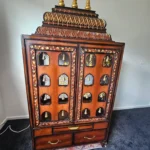
Teakwood mandirs: Teakwood offers a rich, natural appearance and works well in traditional and contemporary homes. Choose a well-made teakwood temple if you prefer a premium wooden finish.
Light-coloured and white mandirs: White and cream finishes complement modern Australian interiors, particularly homes with neutral walls, light flooring and minimalist furniture.
Dark brown wooden mandirs: Darker finishes create a traditional, elegant look and pair well with warm-toned furniture and decorative interiors.
When comparing mandirs, look beyond the colour. Check the construction, surface finish, detailing and care requirements to make an informed decision.
3. Select a Design That Matches Your Home
Your mandir should complement your home’s interior while reflecting your personal taste.
Traditional designs often feature decorative carvings, domes, pillars and intricate detailing. Modern mandirs may feature clean lines, simple finishes, integrated storage and subtle lighting.
If you prefer a balance between both styles, choose a contemporary wooden mandir with traditional decorative elements.
You can also consider:
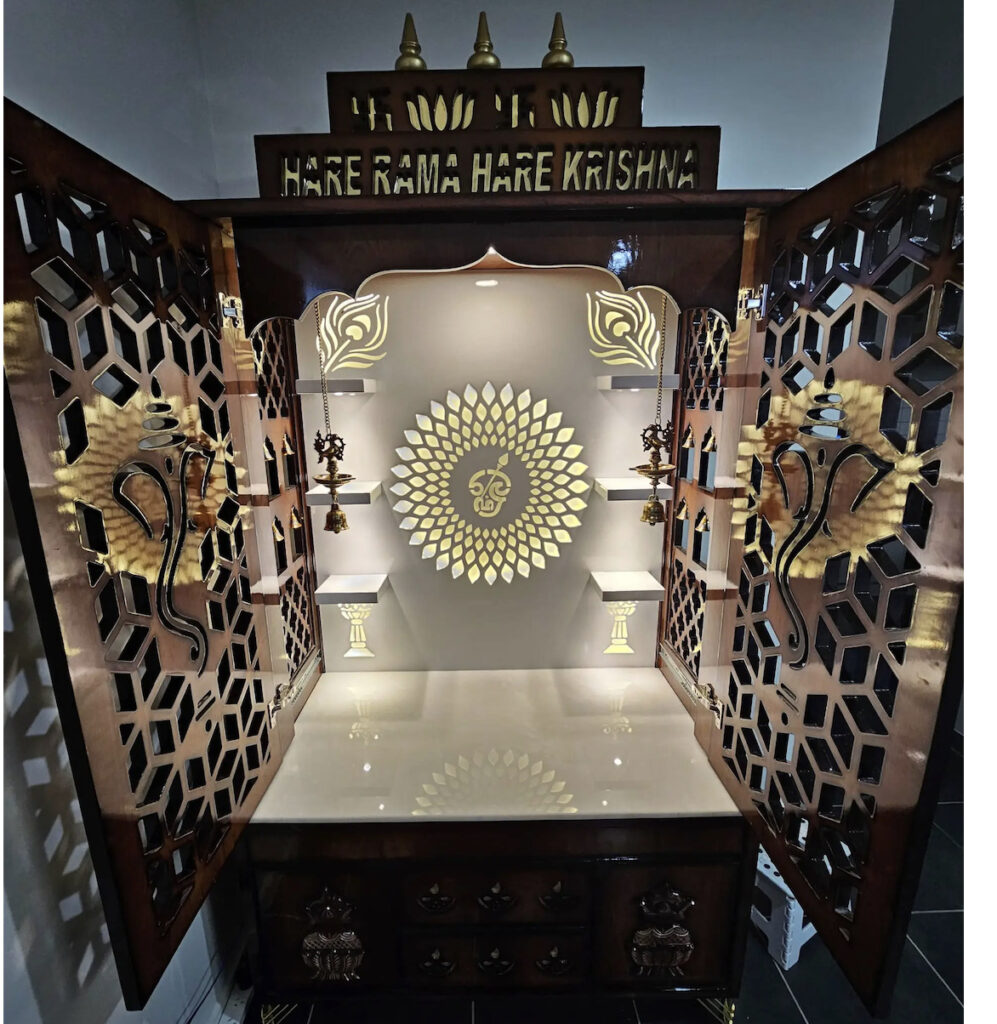
– Mandirs with doors: These provide a defined prayer area and allow you to close the doors when you finish your prayers.
– Open-design mandirs: These keep idols and decorative elements visible and create an open appearance.
– Mandirs with LED lighting: Integrated lighting can highlight the temple’s detailing and create a warm atmosphere.
– Customised mandirs: These can suit particular dimensions, design preferences or pooja requirements, depending on the available customisation options.
Choose a design that works with your existing furniture, colour scheme and available space.
4. Consider Storage and Daily Convenience
A beautiful mandir should also support your daily pooja routine.
Think about where you will keep incense, diyas, prayer books, bells, flowers and other pooja essentials. A mandir with suitable drawers, shelves or enclosed storage can help you keep these items organised.
If you prefer a clean, uncluttered appearance, consider a design with doors or concealed storage. If you perform daily rituals that require several accessories, make sure the mandir provides enough accessible space.
Also consider the height of the prayer platform and the space available for your idols. Measure your existing idols before purchasing a temple to ensure they fit comfortably.
5. Check the Mandir’s Dimensions and Build Quality
Never choose a mandir based on appearance alone. Its dimensions and construction matter just as much.
Check the product specifications carefully, including the overall height, width and depth. Consider whether you can move the mandir through your home’s entrances, hallways and stairways during delivery.
When assessing build quality, look for:
– A stable and sturdy structure.
– A neat, consistent finish.
– Well-fitted doors, shelves and drawers, where included.
– Carefully finished decorative details.
– Clear product specifications and warranty information.
If you shop online, review the product photographs, dimensions, delivery information and warranty terms before placing your order.
6. Think About Placement and Vastu Preferences
Some homeowners follow Vastu Shastra when choosing a location for their mandir. Others prioritise convenience, privacy, available space and the overall layout of their home.
If you follow Vastu principles, research the placement guidelines that matter to you before selecting the final location. Many traditional recommendations favour a clean, peaceful and well-maintained prayer area.
Regardless of your preferences, choose a location where you can pray comfortably and maintain the space easily.
Avoid placing the mandir where it obstructs walkways or creates difficulties when opening doors and drawers. If you plan to use diyas or incense, also consider ventilation and fire safety.
7. Set a Budget and Compare Value
Mandir prices vary depending on the material, size, craftsmanship, finish, storage features and design.
Before shopping, decide how much you want to spend. Then compare products with similar dimensions and features rather than choosing solely by price.
A smaller mandir may suit a first home or apartment, while a larger, intricately designed temple may suit a spacious home or dedicated prayer room.
When comparing options, consider:
– The material and construction quality.
– The overall dimensions and storage space.
– Decorative details and lighting.
– Delivery costs and delivery arrangements.
– Warranty coverage and care requirements.
A well-chosen mandir should meet your needs, fit your space and complement your home for years to come.
Find the Right Mandir for Your Home
Choosing a home mandir becomes easier when you balance space, design, material, storage, quality and budget. Take accurate measurements, compare your options and select a temple that reflects your spiritual needs and personal style.
At Diamond Furniture and Interiors, we help customers explore mandirs and home temples in a variety of designs, sizes and finishes. Whether you are looking for a compact mandir, a traditional wooden temple or a statement piece for your home, explore our collection to find an option that suits your space.
Visit our Melbourne or Sydney showroom to explore available designs, or browse our collection online at “www.diamondfurniture.com.au”
Frequently Ask Questions
What should I consider when buying a mandir for my home?
Consider the available space, mandir dimensions, material, design, storage, build quality and budget. Also check whether the temple accommodates your idols and pooja accessories comfortably.
Which mandir is best for a modern Australian home?
A compact wooden mandir, a white-finish temple or a contemporary design with clean lines can complement modern Australian interiors. Choose a size and finish that work with your existing furniture and available space.
Is a wooden mandir a good choice for a home?
A wooden mandir can provide a warm, traditional appearance and suit many interior styles. Check the material, construction, finish and care instructions before buying.
Should I buy a mandir with doors or without doors?
A mandir with doors can provide a more enclosed appearance and help keep the prayer area visually organised. An open-design mandir keeps idols visible and offers a more open look. Your preference, available space and daily routine should guide your decision.
What size mandir should I buy?
Choose a size that fits your available space and accommodates your idols and pooja accessories. Measure the intended location and check the mandir’s width, depth and height before ordering.
Are LED lights useful in a home mandir?
LED lights can highlight decorative carvings and create a warm atmosphere around the prayer area. If you choose an illuminated mandir, check the lighting arrangement, power requirements and ease of maintenance.
How do I maintain a wooden mandir?
Dust the surface regularly with a soft, dry cloth. Follow the manufacturer’s cleaning instructions, avoid harsh chemicals and excessive moisture, and keep the mandir away from direct heat. Always follow the care recommendations for the specific wood and finish.
Where can I buy a mandir in Melbourne or Sydney?
You can explore the available collection at Diamond Furniture and Interiors, with showrooms in Melbourne and Sydney. Visit “diamondfurniture.com.au” (https://www.diamondfurniture.com.au/) to browse mandir designs, review product dimensions and check the latest product information.
How much should I spend on a home mandir?
The cost of a home mandir in Australia depends on its size, material, design, craftsmanship, and features. Compact mandirs are generally more affordable and suitable for apartments or smaller spaces, while larger wooden mandirs and intricately carved designs may cost more. Before making a purchase, consider your available space, budget, and daily pooja requirements. Compare different styles and materials to find a mandir that offers the right balance of quality, durability, and aesthetics for your home.
For more details on purchasing mandir visit our website www.diamondfurniture.com.au
Last modified: October 19, 2026